Interview: Foals
Foals
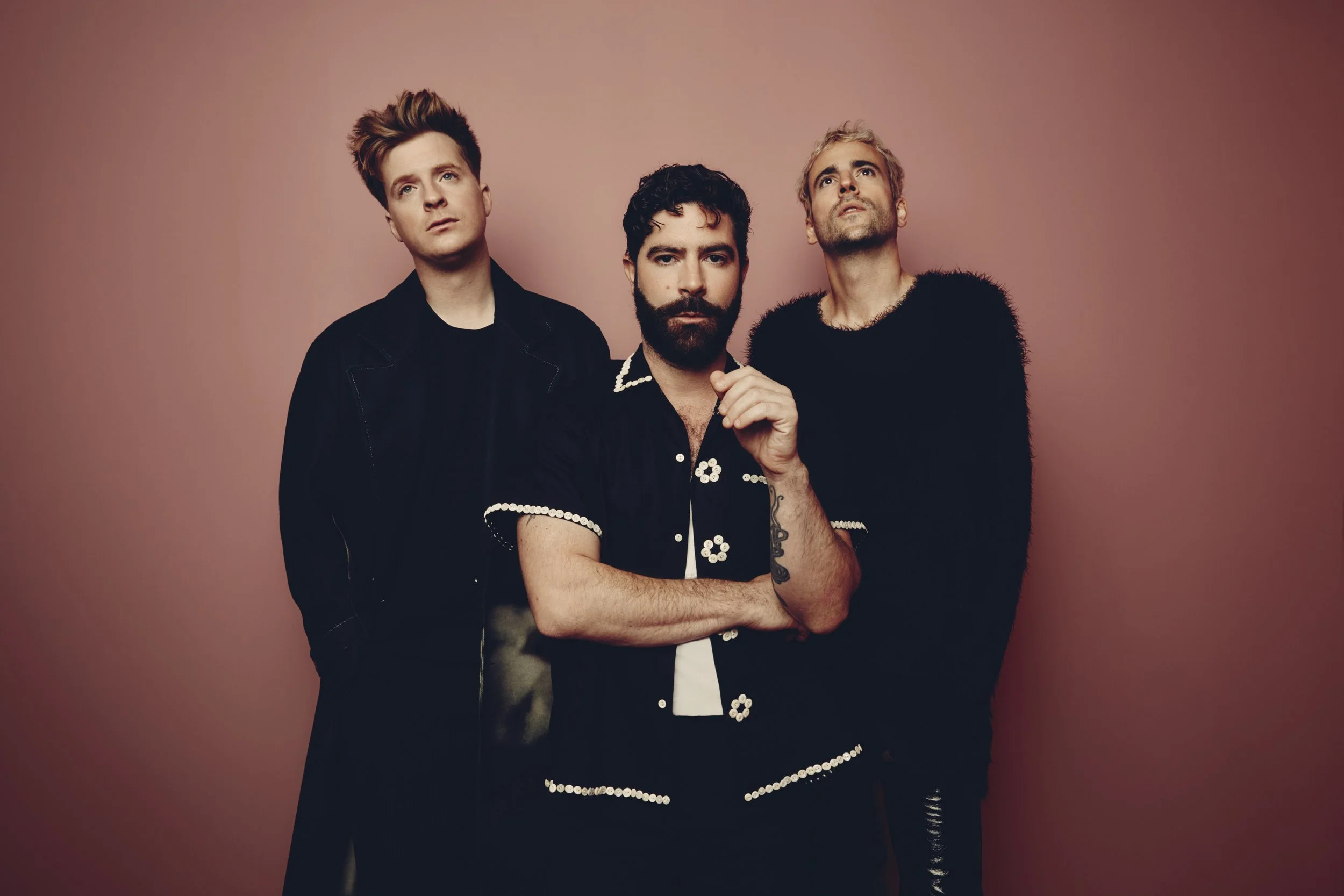
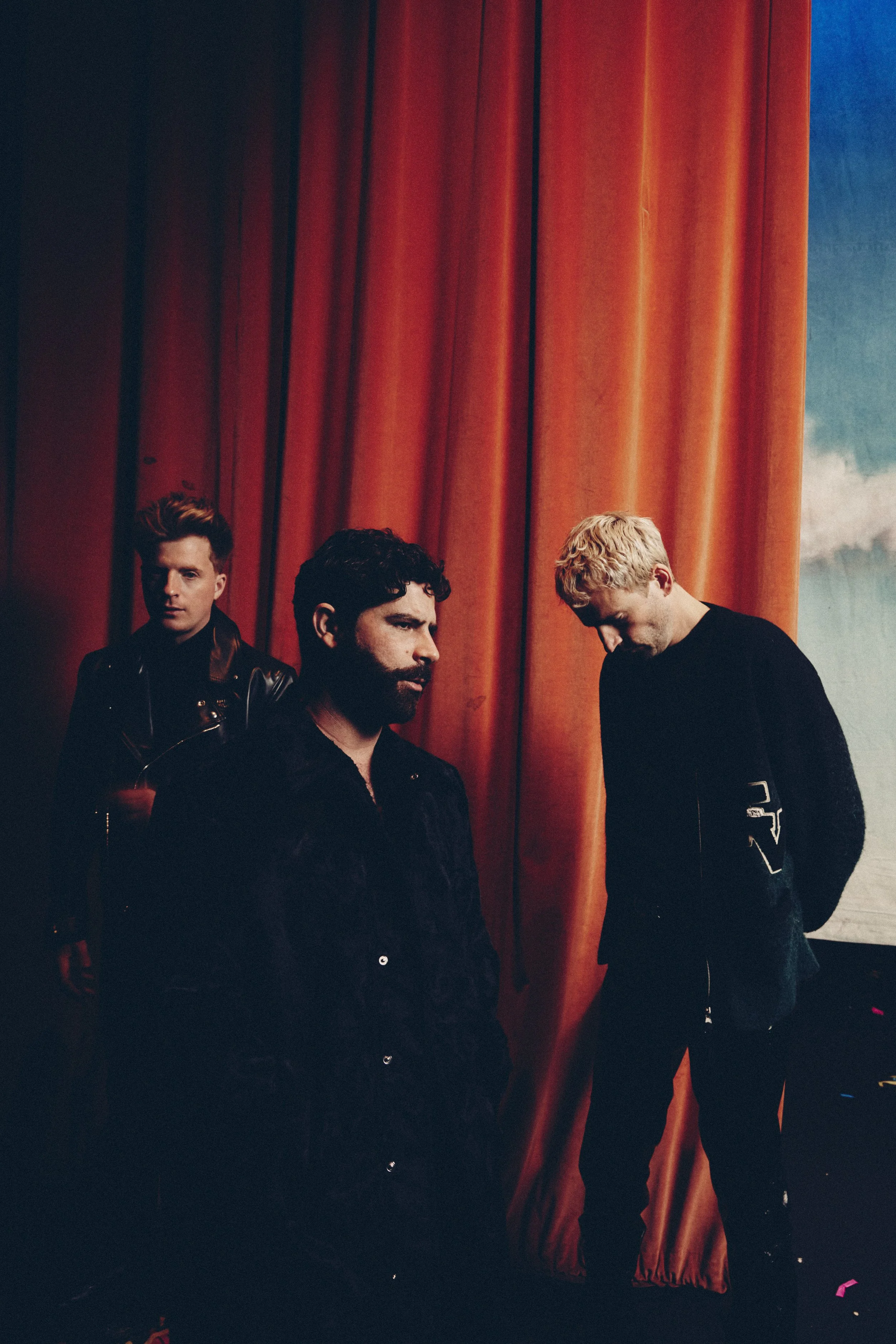
Armed with a funkier sound Foals returned with ‘Life Is Yours’. Philip Giouras caught up with frontman Yannis Philippakis to discuss the record, their shared Greek heritage and the band’s commanding Glastonbury set.
Taken from Issue IV - 2022
When I catch up with Foals frontman Yannis Philippakis, it’s the morning after a high-octane and passionate performance at Manchester’s beloved Castlefield Bowl. He sounds fresh and invigorated, describing the night as leaving him feeling good and ‘alive’. This is due in no small part to a ‘great crowd’, evident from a barrage of social media clips from fans that show Philippakis in his trademark stance- perched atop the front barrier, screaming out into the frenzied audience.
It follows a monumental week for the trio. Along with Manchester, they’ve recently played an equally electric Fairview Park in Dublin, all part of their mammoth global tour in support of their new seventh album ‘Life Is Yours’. The tour has already stretched across the UK performing to almost 50,000 people in London alone across five soldout dates, with the group returning to these shores early next year for a selection of intimate performances.
The weekend before our chat, they headlined the esteemed Other Stage at Glastonbury Festival. In a post to fans, the group described it as an ‘incredible life-affirming moment’, something evident in the way Philippakis describes the experience to me. “It felt amazing, it’s a privilege to be able to do that. Very few musicians get to play that slot. I think we savoured it, it’s taken us years to build up to that point.”
It’s fair to say the group have an affinity for Worthy Farm, almost becoming synonymous with the festival after playing a multitude of stages and secret slots. This is echoed by Philippakis. “Glastonbury’s always been so supportive, and I think there’s a spiritual connection between the band and the festival. If you’re a British musician, it has a hold over you, so to be given that slot, especially after a three-year hiatus of the festival and people to be out of the darkness of these last 18 months, it was amazing for us to be the soundtrack to that coming together. It was definitely a milestone for our career.”
Foals have received a multitude of accolades and awards for their live performances. Anyone who has seen the group on stage can attest to how they thrive in a live setting. A lot of care and attention to detail goes into their setting, their visuals and their setlists, as evidenced in their Glastonbury performance. “We put a lot of thought into the stage setup, we just wanted it to be really visually stunning. A lot of work went into getting the video content ready and for it to tie in with the album, but a Foals show is a Foals show, it’s always going to be passionate and full of intensity.” Philippakis tells me.
One thing that cannot be accounted for however is the energy resonating from the audience. Their crowds have always been known for providing a wild yet welcoming space. Attending one of their post-lockdown Olympia concerts, however, presented a whole new intensity entirely. There was a noticeable euphoria from the crowd on a massive scale. I asked Philippakis if he can sense that shift in atmosphere from up on the stage. “I feel it, with those Olympia shows which are now quite a few months ago. You could sense that people were almost pinching themselves that they were back in a room together for the first couple or two songs, and then it just kind of clicked and I think the wave of elation that came from the crowd was tangible.”
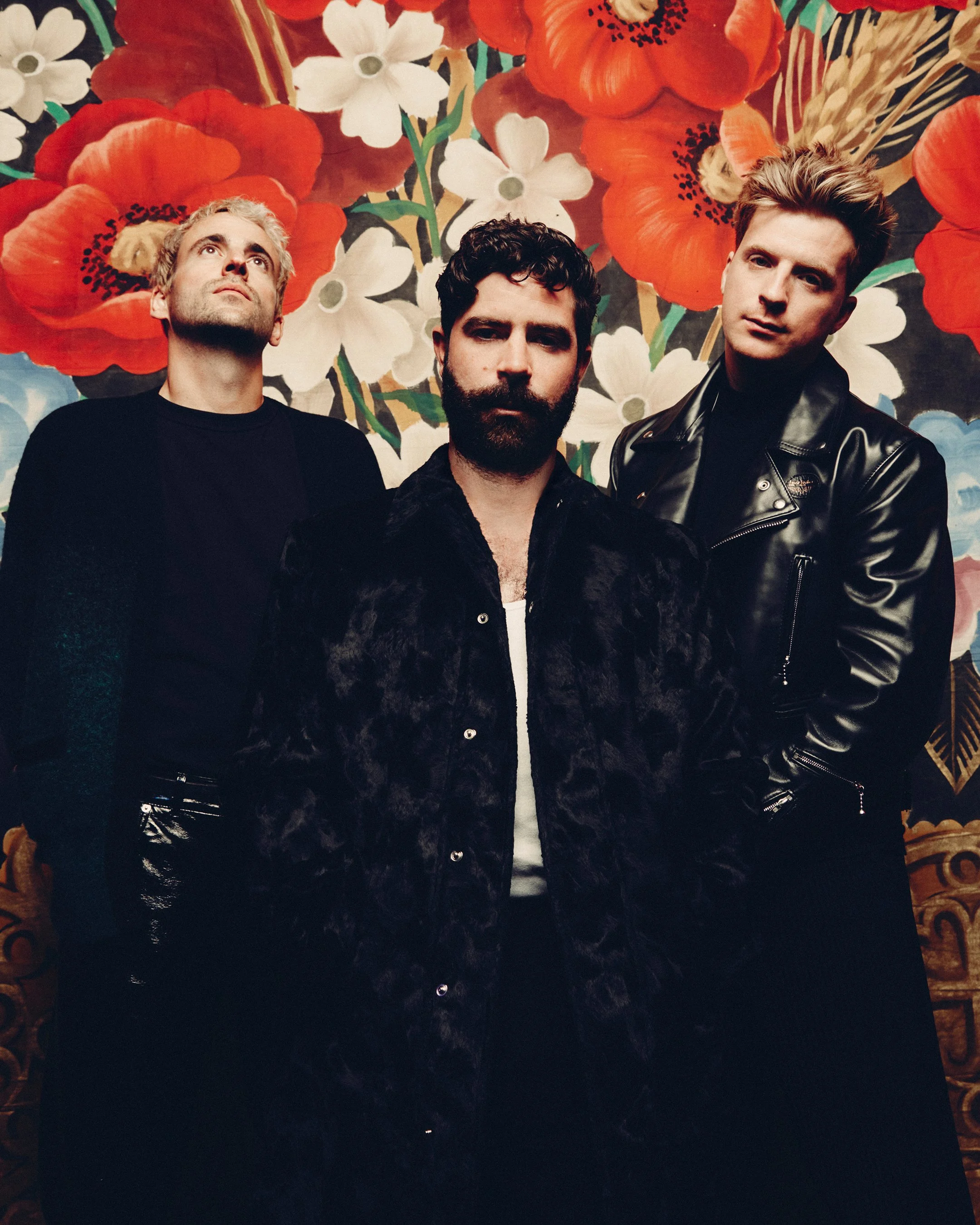
It’s a viscerally intense show but this sense of relief was a new feeling. This sense of uncomplicated joy and being in a room together and being present. It can’t be overstated.” Philippakis continues, summing up the essence of a live show in a way that I’ve never seen artists manage to place into words before “This is the thing about live music, the sheer volume, the actual physicality of the live performance; it’s the light, it’s the sound, it’s the subs, it’s the sweat. It’s all that stuff, that tangible sensory overload, that is a gig, I felt relief from the audience that they were back in that sphere again.”
Now seven albums into the career, with a plethora of beloved songs across their discography, I joke whether it gets to the point where the group consider a three-hour-long epic similar to Paul McCartney’s vast Glastonbury Headline set. “I’d love to,” Philippakis tells me “but the thing is the length of the show would essentially compromise the intensity,” he adds. “There’s probably a sweet spot, I think we’re playing about 1hr 40 minutes when we can, and that’s definitely getting to the upper limit. Beyond two hours, I don’t think Jack would be able to take it,” Philippakis tells me referring to the band’s drummer Jack Bevan. “He puts so much energy into what he does, it’s sort of depending on him, and I think he might keel over.”
With that vast discography and the band’s penchant for rotating setlists and sticking in the occasional deep cut or classic in mind, I asked if there were any he wanted to bring back into the fold. “I’d like to play ‘Milk & Black Spiders’ again (from their third record Holy Fire) partly because I think we could probably play it better now... Maybe ‘Heavy Water’ from Antidotes and ‘Afterglow’ from Total Life Forever.” He hints that a few of these could slip into their upcoming American tour dates across the autumn.
Getting into their latest album ‘Life Is Yours’, released last month, the record takes influence from some of their more dance-orientated roots. It follows 2019s ‘Everything Not Saved Will Be Lost’. The delightfully dark double album had a heavy sense of melancholy. Focused on the end of the world. Not even the group would have thought they were releasing such an apt record ahead of the oncoming disaster, COVID-19. Written during the darkest depths of the pandemic, ‘Life Is Yours’ paints bright evocative images. Songs such as ‘2001’, ‘Looking High’, and ‘Wake Me Up’ are all bursting with colour. I asked Philippakis how he managed to conjure such vivid luminosity during the situation we all found ourselves in.
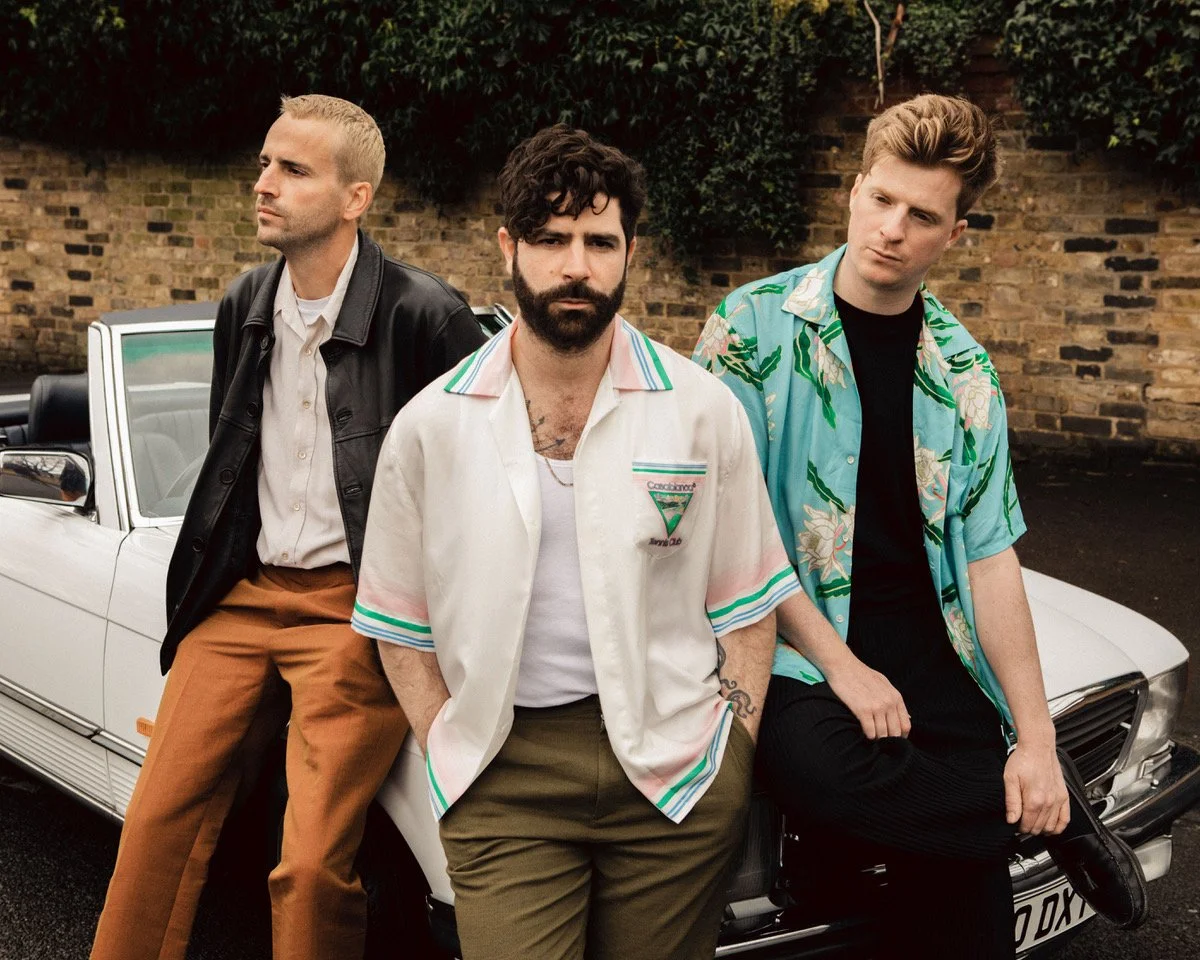
“That’s the power of writing and being able to migrate from the here and now, to somewhere where you want to go. It’s self-exploration that in a way wasn’t difficult to do. I’d agree it’s definitely the most technicoloured record lyrically. I feel it sort of shimmers, and that’s what I was attracted to because stuff was so bleak.” He went on to expand further on his writing process for the record. “I didn’t want to write about melancholy, inertia, or the void of COVID. I wanted to try and use the songs to transport away from that. The thing that was difficult to deal with was realizing that there wasn’t going to be inspiration coming from the here and now. I quite like to write in direct contact with what’s going on in the moment, and it took me a few months, if not longer, to really understand that I wouldn’t be able to write in that way and then that kind of propelled the lyrics to be more escapist.”
Partway through our conversation, I mention to Philippakis our shared heritage in Greece, with both myself and the frontman descending from the country on our father’s side. He was keen to discover more and I mention how the country is drawing me back now I’m older and more appreciative of where I come from, something I tell him I feel in tracks such as ‘Birch Tree’ and throughout their discography. “That one, but it’s throughout lots of the songs, it’s just part of the landscape of my brain and my imagination, there’s lots of oceanic imagery on the songs, as well mountains,” Philippakis tells me, describing the mountainous island of Karpathos and village of Olympos he comes from. “I can’t separate the songs from my imagination or from that place.”
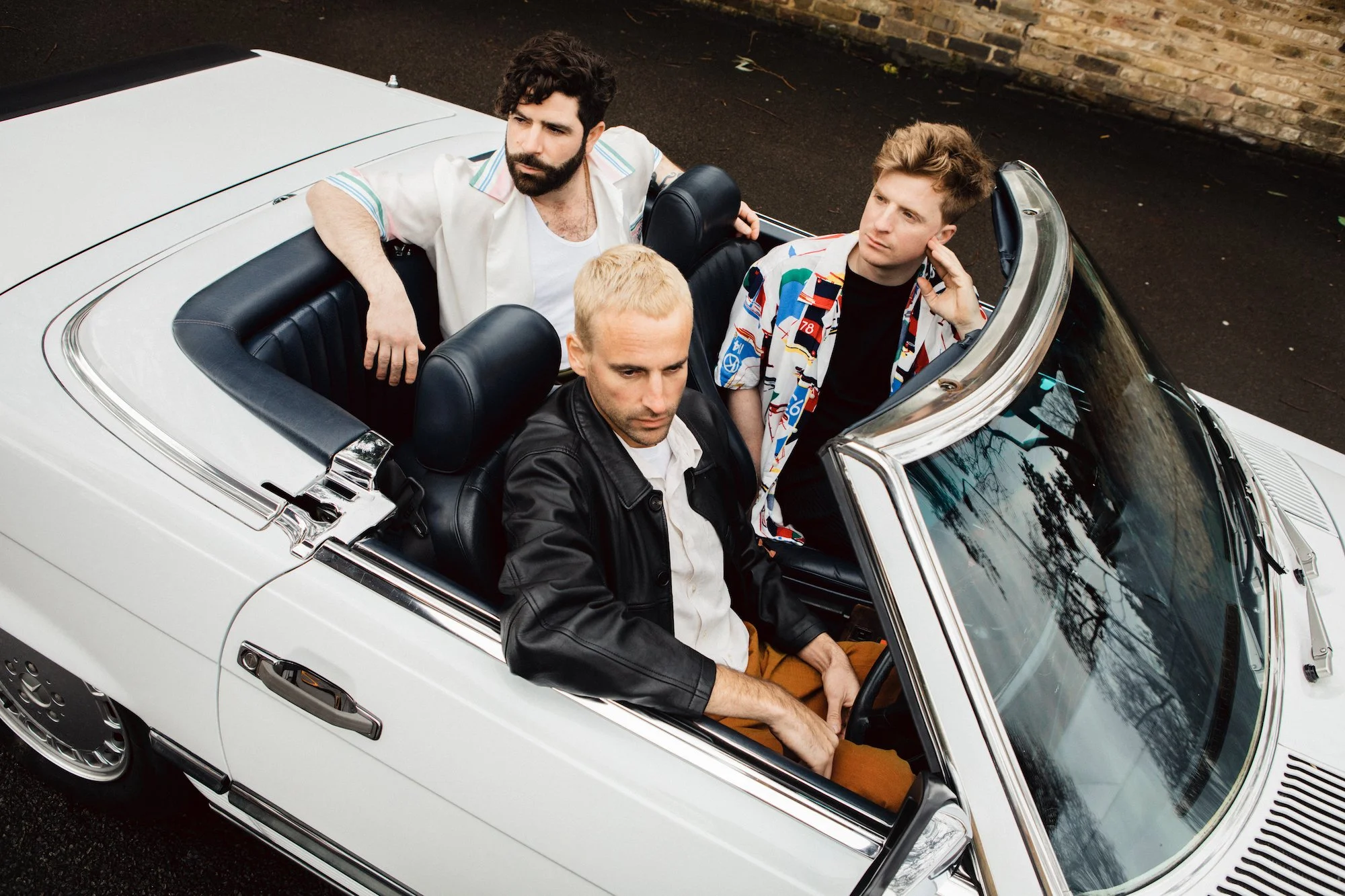
A lot has been said about the sonics of ‘Life Is Yours’ embracing a funkier sound and groove. There’s a variety of dance palettes across the record whether that’s disco, house or techno. Between their last record and this, the group released ‘Collected Reworks’, a mammoth collection of assorted remixes from producers and DJs released across the bands’ career. I asked whether compiling that had any effect on the decision to go in a more dance-orientated direction on the latest record. “We’ve always been involved in dance music. One of the aspects of the band, in the beginning, was trying to draw influence from techno. So I think it’s always been there, it’s not really to do with Reworks. What definitely did happen was, that we circled back around and wanted to emphasize that aspect of the makeup of the band. We had conversations early on, before the writing of this record, in which we said we should try and make a dance record, we were craving making a dance beat so it was definitely in the forefront of our minds for sure.”
Quite a few of the tracks on the album were made through ideas coming out of various long jam sessions. Philippakis would bring a sketch of an idea into the studio, whether that be a chorus, verse, or riff, and then the band would often jam around that. This isn’t a new process of how they would usually write an album but this time, heading to the studio there was now only three members in the band following the departure of keyboardist Edwin Congreave; which in itself had an effect on the creation of the record. “There were three of us jamming so there was more space in the sound. Jimmy was on keyboards a lot more, so that changed the direction of some of the jams, they were more spacious and there was more room for us to try out ideas. Things didn’t get thickened up as quickly.” Philippakis says before going on to add, “When we used to jam with five of us there it could turn into an absolute racket quite quickly.”
With the album out in the wild for all to hear, I was keen to discuss some of the deeper cuts that are yet to have frequent airplay. Recently the band engaged in a listening party with Tim Burgess. Made popular during lockdown, these involve participants at home simultaneously pressing play on a selected album and tweeting along with the band as they reveal details about each track and the album’s creation. As part of this, Yannis shared pictures of the Woronora River in Sydney taken back in 2012. It was here that the track ‘Crest of the Wave’ started being created, out in the open amongst the exotic Australian flora and fauna.
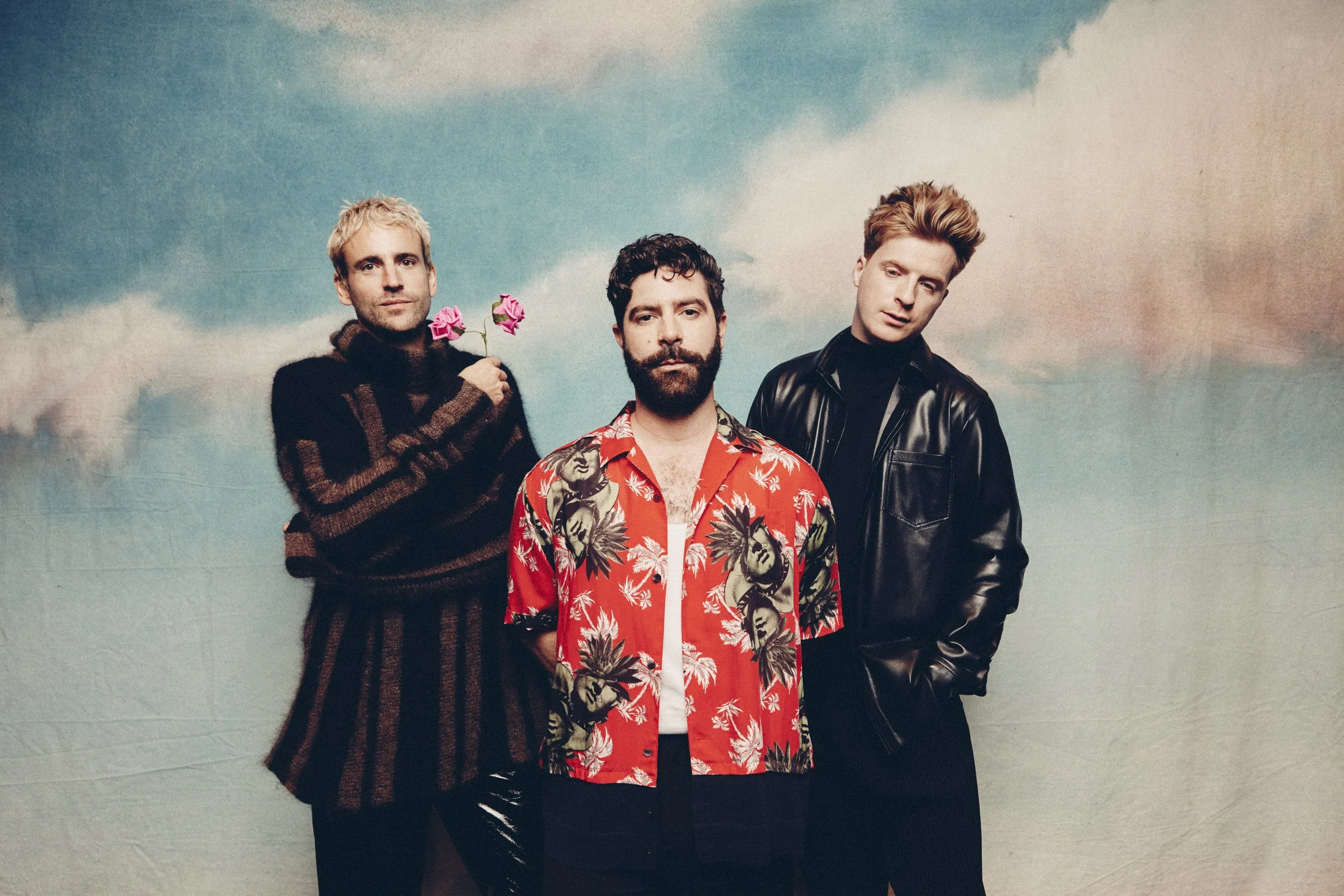
I was surprised to see the group returning to ideas and sketches of songs from almost a decade ago. I asked Philippakis if it was a normal occurrence for the group to sit on a selection of ideas for so long. “It’s not common, I think that was actually something that was unearthed during lockdown. I was fishing out old demos and sharing them with fans online, being on one of these listening parties and then [Crest of the Wave] came up,” he tells me. This led to discussions between the trio on returning to the demos from their time at the river. “We were always kind of disappointed we’d never finished it, and largely the aspects of it that were missing were the vocals, so we just jammed it a bit. Thankfully I had a new perspective on how to write the vocal line, and it just clicked.” Philippakis also reflected on returning to material from so long ago. “It was interesting in the studio using raw sounds from ten years ago because a lot of the sounds you hear on the track are the same ones from back then, it’s a sort of hybrid but we love it and it feels fresh to me.”
On how they found themselves recording out in the middle of nowhere on a river in Sydney, Philippakis says to me “We were taken there by the producer, it wasn’t even really like a choice. Jono Ma’s partner at the time had a house out there, we got taken there and it was just beautiful. It was very remote; you could only get there by boat, and it was awesome. It’s interesting, often when you’re making records you’re in an urban environment, or within a building, somewhere manmade and you’re often surrounded by electronics. Then when you go out into nature with some speakers, and you’re playing, we’re not even talking about headphones- we’re actually playing the sound out into the natural environment, I think you get a different perspective on it, which is awesome.”
It turns out that reconnection with nature would actually be a key element of the record almost a decade later. “We had that a bit on this record, we went to Real World studio to do a lot of the recording and that’s like a very idyllic bucolic kind of environment. It’s quintessentially English countryside looking out at all the greenery and having the music be in that environment. I think that makes you think about stuff differently because you just don’t want to be putting concrete into the sound if there’s no concrete outside.”
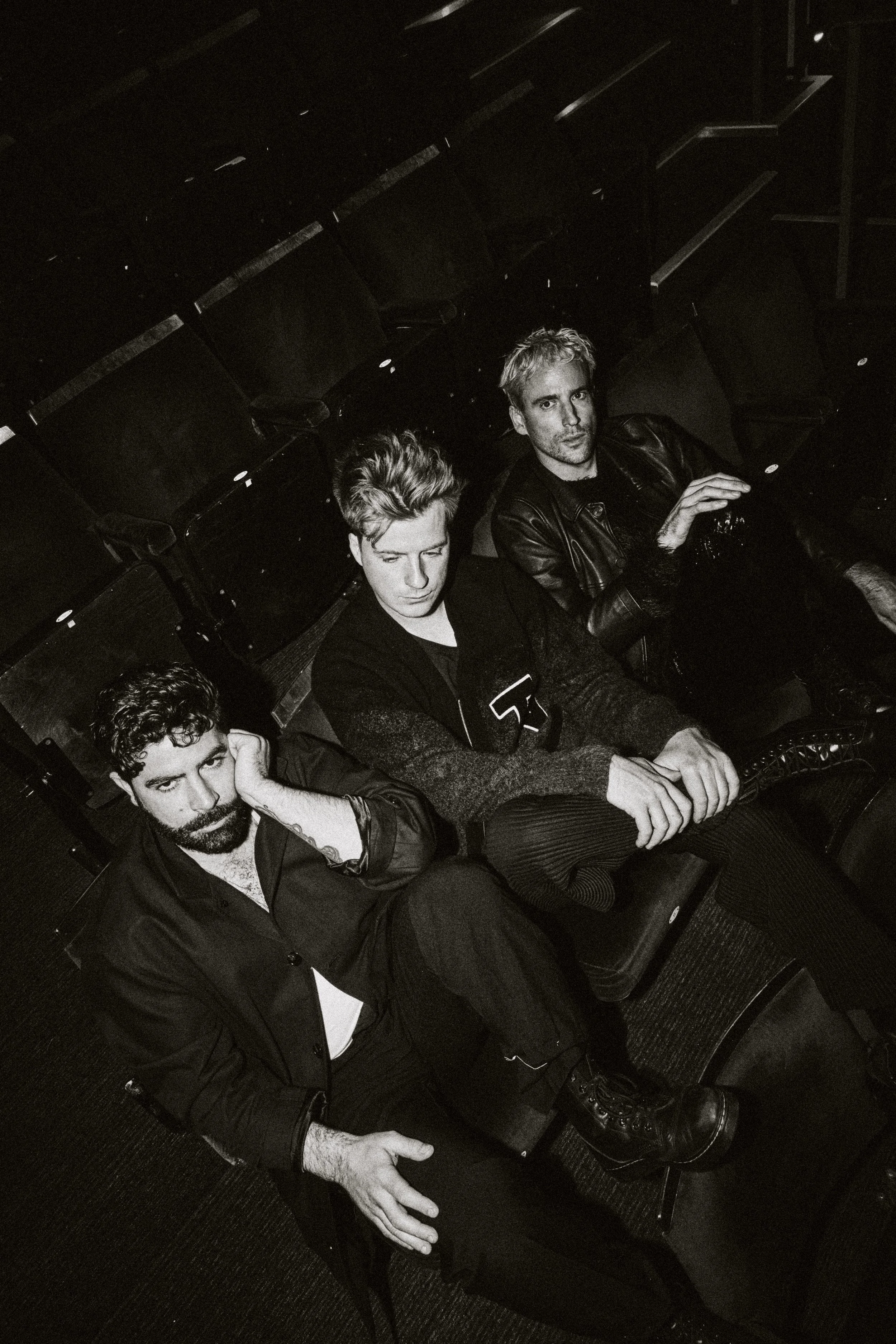
Another song I was keen to discuss was ‘The Sound’, a psychedelic track that builds to an overwhelming and almost trance-like conclusion, something that would provide an out-of-body, transcendent experience when inevitably performed live. “That was a very jammy one,” Philippakis tells me. “It’s based on a UK shuffle beat we’d never written that type of rhythm before,” another by-product of Jimmy’s shift to the keys that Philippakis mentioned earlier. “We went to Dan Carey’s studio and it wasn’t really structured. It almost felt to us like a dance track you’d hear at the club. There weren’t many vocals on it, it was basically just the guitar, keys and drums, it felt like a track Disclosure could have written.”
Discussing how it evolved from there Philippakis says “Where it got more experimental was with the vocals, I went for it and just allowed myself to be really wild, I wanted it to be a flow of consciousness. A surrealist, fragmented, lyrical flow. I was thinking about Carl Hyde from Underworld and that type of way of constructing lyrics. I was playing with an EcoPlex at the time when I was doing the vocals, manipulating my voice but I wasn’t doing it like a singer, I didn’t approach it in the same way that I was approaching other songs”.
Touching on his references to Disclosure and Underworld, I wondered if there would be any artists, in particular, Philippakis would be keen to remix or reinterpret parts of the album. “I actually want Underworld to remix the song ‘Life Is Yours’, I wouldn’t mind an LCD Soundsystem remix of ‘Under The Radar’ also.” He also mentions an alternative version of the record will appear at some point. “The thing that is cool, is that the entire album has been dubbed and remixed by Dan Carey. He spent like a week doing an ultimate version of the album, and that’s going to come out sometime, and that’s going to be awesome. It’s really cool, he did live dubbing on his desk, he’s a wizard.”
To conclude our conversation, I wanted to bring up their 2008 debut album ‘Antidotes’. An exclusive purple vinyl repress was made available, released on the same date as the latest record ‘Life Is Yours’. I asked how Philippakis feels about the still highly regarded record, decades on from its release, with a poignant opportunity to look back alongside the re-release. “I’ve not listened back to Antidotes for a while actually. weirdly I listened to Holy Fire yesterday, I don’t know what was going on there.”
He mentions he’s “not heard Antidotes for quite some time. I feel fondness for it, that period of my life and the bands. We were very excited about everything and kind of anxious as well. It was a blissful time making that record, I haven’t gone back to sort of analyse it and I don’t know if it would even be a good idea for me to do that. I’m just glad it exists. I’m glad we made it, it was fresh at the time and I think it still stands up. A lot of those songs, I still think they’re great and I also kind of admire the simplicity of it at times as well. It’s cool to hear it back because you can’t recreate that same approach of songwriting again. Once you’ve learned other techniques, you can’t regain [the old ways of writing].”
With ‘Life Is Yours’ now released and starting to embed into fans’ minds, the focus once again turns to their live shows. Looking ahead to their American autumn tour dates, Philippakis’ hunger for the road is as palpable as ever. “A Foals show is a celebration; it always goes off.”